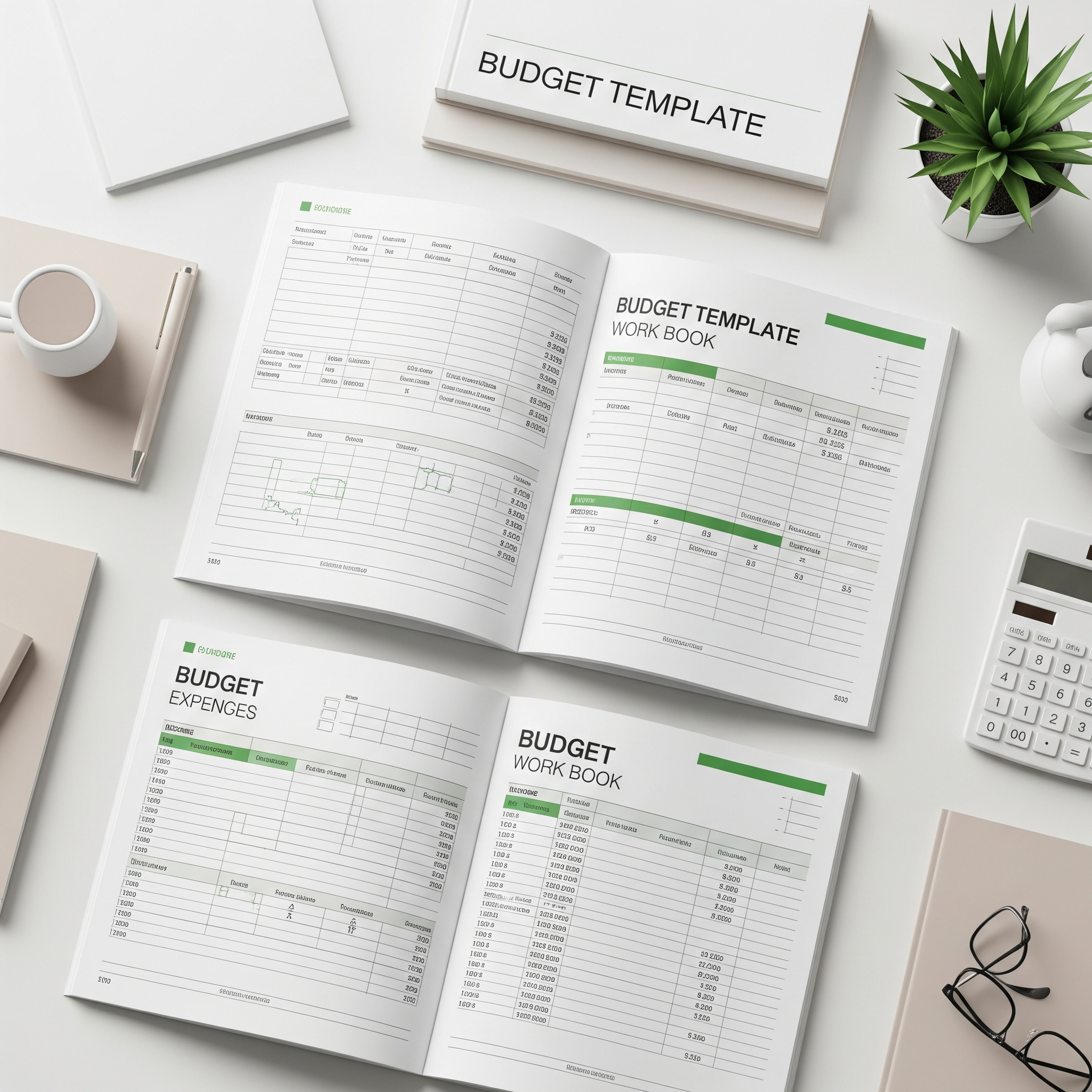
Saving Money Is Not About Being Cheap.
Most people think saving money means cutting everything enjoyable.
That is the wrong starting point.
Saving money is not about becoming miserable. It is about gaining control. It is about making sure your money does not disappear before it does something useful for you.
If you are a beginner, saving money may feel difficult because your income already has many demands: rent, food, transport, debt, bills, family responsibilities, subscriptions, and unexpected expenses. By the time the month ends, there may be little or nothing left.
That is exactly why you need a system.
Learning how to save money is not about hoping you will have extra cash someday. It is about building a repeatable structure that protects part of your income before it vanishes into daily spending.
A good saving system helps you:
- Build an emergency fund
- Stop depending on debt for small problems
- Reduce money stress
- Prepare for future expenses
- Avoid paycheck-to-paycheck pressure
- Start investing when you are ready
- Build real financial confidence
This guide is the main starting point for the Saving Money section of your financial life. It will show you how to save money in a practical, beginner-friendly way, even if you are starting from zero.
Why Saving Money Matters
Saving money gives you options.
When you have no savings, every unexpected expense becomes a crisis. A phone repair, medical bill, car problem, delayed paycheck, or family emergency can push you into borrowing or panic.
The Consumer Financial Protection Bureau explains that an emergency fund is a cash reserve set aside for unplanned expenses or financial emergencies, and without savings, even a small financial shock can set you back.
That is the real purpose of saving.
It gives you breathing room.
Saving money is not only about becoming rich. It is about making your life less fragile.
When you have savings, you can:
- Pay for emergencies without borrowing
- Make decisions with less panic
- Avoid high-interest debt
- Prepare for future goals
- Take advantage of opportunities
- Sleep better because you are not always one bill away from disaster
The first goal is not to become wealthy overnight.
The first goal is to stop being financially exposed.
Step 1: Know Why You Want to Save Money
Saving without a reason is weak.
You need a specific purpose.
Do not just say, “I want to save money.” That is too vague.
Say:
- I want to save $500 for emergencies.
- I want to save $1,000 before the end of the year.
- I want to save one month of expenses.
- I want to save for school fees.
- I want to save for a car repair fund.
- I want to save so I can stop borrowing.
- I want to save before I start investing.
A clear reason creates stronger behavior.
When you are tempted to spend, your goal reminds you what the money is supposed to do.
Saving becomes easier when it is connected to something real.
Weak goal:
I want to save more.
Strong goal:
I want to save $1,000 in 90 days so I can build my first emergency fund.
The stronger goal gives you a target, timeline, and reason.
If your first target is a starter buffer, read how to save $1,000 fast.
Step 2: Start With a Small Savings Target
Beginners often make the mistake of setting huge savings goals too early.
They hear advice like “save six months of expenses” and immediately feel defeated.
That advice is useful long term, but it is not where everyone should start.
If you are starting from zero, use levels.
Level 1: Save $100
This proves you can save something.
Level 2: Save $250
This gives you a small cushion.
Level 3: Save $500
This can handle many common minor emergencies.
Level 4: Save $1,000
This becomes your first serious emergency fund.
Level 5: Save one month of essential expenses
This gives real breathing room.
Level 6: Save three to six months of essential expenses
This is the long-term safety target.
Investor.gov includes “save for a rainy day” and paying off high-interest debt as important steps in its saving and investing roadmap.
Do not let a large goal stop you from reaching a small one.
The first $100 matters.
The first $500 matters.
The first $1,000 matters.
Small savings are not pointless. They are the foundation.
Step 3: Track Your Money Before You Try to Fix It
You cannot save money if you do not know where your money goes.
Many people only remember the big bills: rent, utilities, food, transport, debt. But the real damage often comes from smaller expenses repeated over time.
For 30 days, track everything.
Write down:
- Food purchases
- Transport
- Subscriptions
- Snacks
- Eating out
- Bank fees
- Transfers
- Shopping
- Data or airtime
- Debt payments
- Family support
- Random purchases
You can use:
- Notebook
- Spreadsheet
- Notes app
- Budgeting app
- Bank statement
- Mobile money history
The goal is not shame. The goal is evidence.
After 30 days, ask:
- Where is money leaking?
- Which expenses repeat too often?
- Which purchases were emotional?
- Which costs were avoidable?
- Which categories are higher than expected?
- What can be reduced without damaging my life?
This is where saving begins.
Not with motivation.
With clarity.
Step 4: Build a Simple Budget
A budget is not a punishment. It is a money plan.
Without a budget, your money is controlled by bills, habits, emotions, and convenience. With a budget, your money has direction.
For beginners, keep the budget simple.
Use five categories:
- Needs
- Savings
- Debt
- Flexible spending
- Future expenses
Needs
These are essential costs:
- Rent
- Food
- Transport
- Utilities
- Medication
- Phone or internet needed for work
- Basic household items
Savings
This includes:
- Emergency fund
- Short-term goals
- Cash buffer
Debt
This includes:
- Credit card payments
- Loans
- Overdrafts
- Buy-now-pay-later
- Money owed to others
Flexible Spending
This includes:
- Eating out
- Entertainment
- Shopping
- Personal treats
- Social spending
Future Expenses
These are predictable but irregular costs:
- School fees
- Insurance
- Car repairs
- Medical checkups
- Holidays
- Clothing
- Device replacement
If you are new to budgeting, start with this guide: budgeting for beginners.
The budget does not need to be perfect. It needs to be usable.
Step 5: Pay Yourself First
Most people save backward.
They earn money, spend on everything else, and try to save what remains.
Usually, nothing remains.
If you want to learn how to save money, you need to reverse the order.
Save first.
When income arrives, immediately move a portion into savings before spending begins.
This can be:
- $5
- $10
- $25
- 1% of income
- 5% of income
- 10% of income
The amount matters less than the habit at the beginning.
If you receive $100 and save $5 immediately, you are building a system.
If you receive $500 and save $25 immediately, you are protecting money before daily expenses consume it.
The rule is simple:
Save before spending, not after spending.
This is one of the most important saving habits you can build.
Step 6: Separate Savings From Spending Money
If your savings are mixed with daily spending money, you will probably spend them.
That is not always a discipline problem. It is a design problem.
Savings need separation.
Use:
- A separate bank account
- A mobile savings wallet
- A savings envelope
- A credit union account
- A high-yield savings account, if available
- A locked savings feature
- A dedicated emergency fund account
Your savings should be accessible in a real emergency but not so easy to touch that you use them for snacks, shopping, or random spending.
The rule:
Spending money should be easy to access. Savings should be protected.
This simple separation can change your behavior quickly.
Step 7: Build an Emergency Fund First
Before saving for luxury goals, build emergency savings.
An emergency fund protects you from unexpected expenses and reduces your need to borrow. The CFPB specifically describes emergency savings as a reserve for unplanned expenses or financial emergencies, including repairs, medical bills, or income loss.
Start with:
- $100
- Then $250
- Then $500
- Then $1,000
- Then one month of essential expenses
- Then three to six months over time
Do not confuse emergency savings with normal savings.
Emergency fund money is for real emergencies:
- Medical costs
- Urgent repairs
- Temporary income loss
- Essential bills during crisis
- Emergency travel
It is not for:
- Clothes
- Sales
- Eating out
- Entertainment
- Phone upgrades
- Random shopping
- Lending money casually
For the full breakdown, read the emergency fund guide.
Your emergency fund is the foundation. Without it, every other financial plan is fragile.
Step 8: Cut Cash Leaks First
Do not start by cutting everything you enjoy.
That usually fails.
Start by cutting cash leaks.
Cash leaks are expenses that drain your money but do not give enough value back.
Examples:
- Unused subscriptions
- Food delivery
- Snacks bought out of habit
- Bank fees
- Late fees
- Impulse purchases
- Duplicate services
- Random online shopping
- Transport costs caused by poor planning
- Expensive convenience purchases
These are powerful because they repeat.
A $5 expense once is small.
A $5 expense 20 times is $100.
If you want to save money consistently, remove the repeated leaks first.
Ask:
- Do I use this?
- Do I need this?
- Can I get it cheaper?
- Can I pause this for 30 days?
- Does this expense support my goals?
- Would I miss this if it disappeared?
Cutting leaks is better than cutting joy.
Joy matters. Waste does not.
Step 9: Reduce Food Spending Without Eating Poorly
Food is one of the biggest flexible categories, but it must be handled carefully.
The goal is not to eat badly. The goal is to reduce waste.
Practical methods:
- Plan meals before shopping
- Buy basic ingredients
- Cook more at home
- Carry lunch
- Reduce food delivery
- Avoid shopping while hungry
- Use leftovers
- Buy in bulk only when it truly saves money
- Compare prices
- Limit snacks and drinks bought outside
If buying lunch costs $8 per day and preparing food costs $3, saving $5 per day becomes $25 per workweek.
That can become $100 per month.
Food planning is not glamorous, but it works.
Step 10: Control Transport Costs
Transport can quietly damage your savings.
Ask:
- Can I combine errands?
- Can I use a cheaper route?
- Can I walk short distances safely?
- Can I share transport?
- Can I plan earlier to avoid expensive last-minute transport?
- Can I reduce unnecessary trips?
Poor planning often creates transport waste.
If you are always late, you may spend more on faster transport. If you run errands separately, you may pay for unnecessary trips.
Small improvements can free up money every week.
That money should go straight into savings.
Step 11: Use a No-Spend Challenge Carefully
A no-spend challenge can help you save quickly.
But do not use it as punishment.
Use it as a reset.
For 7, 14, or 30 days, spend only on essentials:
- Rent
- Food
- Transport
- Utilities
- Medicine
- Debt payments
- Work or school needs
Pause:
- Eating out
- Shopping
- Paid entertainment
- Clothing
- Upgrades
- Subscriptions you do not need
- Random online purchases
A no-spend challenge works because it interrupts autopilot spending.
But it should be temporary.
After the challenge, build a normal budget that still includes controlled flexible spending.
Extreme restriction is not a long-term plan.
Step 12: Save Extra Money Immediately
Extra money disappears fast if you do not give it a job.
Examples of extra money:
- Bonus
- Gift
- Refund
- Overtime
- Tax refund
- Side income
- Cash from selling items
- Commission
- Unexpected payment
Use the 50% rule:
Save at least 50% of all unexpected money.
If you receive $100, save $50.
If you receive $300, save $150.
If you are trying to reach a major goal fast, save 80–100% of extra money temporarily.
Do not treat extra money as permission to spend carelessly.
Extra money is acceleration fuel.
Step 13: Sell Things You Do Not Use
Many people have money trapped in unused items.
Look for:
- Old phones
- Clothes
- Shoes
- Electronics
- Furniture
- Books
- Bags
- Tools
- Appliances
- Fitness equipment
Sell what you do not use.
Then follow one rule:
All money from selling unused items goes into savings.
Do not sell items and then spend the cash randomly.
This is one of the fastest ways to build your first savings milestone.
Step 14: Automate Your Savings
Automation is powerful because it removes decision fatigue.
Set up:
- Automatic transfer on payday
- Weekly savings transfer
- Split direct deposit, if available
- Mobile wallet savings rule
- Calendar savings reminder
Investor.gov highlights that small savings can add up to big money over time as part of its saving and investing roadmap.
The earlier savings happen, the less likely you are to spend the money.
Internal link placement:
For a full strategy, read automatic saving strategies.
Automation turns saving from a decision into a default.
Step 15: Build Sinking Funds for Future Expenses
Some expenses are not emergencies.
They are predictable expenses you forgot to prepare for.
Examples:
- School fees
- Car maintenance
- Insurance
- Medical checkups
- Birthdays
- Holidays
- Clothing replacement
- Device repairs
- Home repairs
These should have sinking funds.
A sinking fund is money saved gradually for a known future expense.
Example:
If annual insurance costs $600, save $50 per month.
If school fees are $900 in three months, save $300 per month.
If you need $240 for holiday spending, save $20 per month for 12 months.
Sinking funds protect your emergency fund and stop predictable expenses from becoming financial shocks.
Step 16: Reduce Debt Pressure
Debt can make saving difficult because part of your future income is already promised to someone else.
High-interest debt is especially dangerous.
Investor.gov lists paying off credit cards or other high-interest debt as one of the key steps in its saving and investing roadmap.
If debt payments are consuming your income, use this order:
- Build a small emergency fund.
- Stop creating new debt.
- Pay minimums on all debts.
- Attack high-interest debt.
- Continue saving small amounts.
- Increase savings after debt pressure drops.
Do not wait until all debt is gone before saving anything. That leaves you exposed.
But do not ignore high-interest debt either. That can destroy progress.
Balance protection with repayment.
Step 17: Increase Income With a Savings Purpose
There is a limit to cutting expenses.
Sometimes the real problem is income.
If your expenses are already basic and there is no room to cut, you need more income.
But do not chase random side hustles without a plan.
Give extra income a specific purpose.
Examples:
- Extra income goes to emergency fund.
- Extra income pays debt.
- Extra income builds a $1,000 buffer.
- Extra income funds school fees.
- Extra income starts investing after savings are stable.
Possible income options:
- Freelancing
- Weekend work
- Tutoring
- Delivery
- Cleaning
- Reselling
- Selling food
- Virtual assistance
- Writing
- Design
- Video editing
- Social media support
- Repairs
- Errands
Even $25 per week becomes $100 per month.
Even $50 per week becomes $200 per month.
The key is not only earning more. It is keeping the extra money from disappearing.
Step 18: Keep Learning About Money
Saving money is a skill.
You improve by learning.
The FDIC’s Money Smart program provides financial education tools and resources designed to help people improve financial skills and build positive banking relationships.
Good topics to learn:
- Budgeting
- Saving
- Debt
- Emergency funds
- Interest
- Banking
- Investing basics
- Financial scams
- Credit
- Long-term planning
Saving money is not only about math. It is also about behavior, patience, and decision-making. A useful beginner-friendly book on this topic is The Psychology of Money by Morgan Housel. It explains why people make different money decisions and why long-term financial behavior matters.
Step 19: Know When to Save and When to Invest
Saving and investing are not the same.
Saving is for safety and short-term goals.
Investing is for long-term growth and involves risk.
Use saving for:
- Emergency fund
- Rent buffer
- Bills
- Short-term goals
- Known expenses within 1–3 years
Use investing for:
- Retirement
- Long-term wealth building
- Goals many years away
- Money you do not need soon
Investor.gov’s roadmap includes understanding what it means to invest, diversifying investments, and gauging risk tolerance after steps like defining goals, figuring out finances, handling high-interest debt, and saving for a rainy day.
If you are unsure which comes first, read saving vs investing.
Do not invest your emergency fund.
Do not invest rent money.
Do not invest money you need soon.
Build savings first, then invest from a stable base.
Step 20: Create a Monthly Savings Review
A saving plan needs review.
Once a month, ask:
- How much did I save?
- Did I save before spending?
- What cash leaks appeared?
- Did I use emergency money?
- Did I rebuild anything I used?
- What expense surprised me?
- What can I automate?
- Can I increase savings next month?
- What goal comes next?
This keeps your savings alive.
Without review, your plan becomes stale.
A monthly review helps you improve without starting over every time something goes wrong.
Step 21: Make Saving Part of Your Identity
This is where the system becomes permanent.
At first, saving money feels like effort.
Later, it becomes who you are.
You stop saying:
I am bad with money.
You start saying:
I protect part of every income I receive.
You stop saying:
I hope I can save this month.
You start saying:
Saving happens first.
Identity matters because behavior follows belief.
If you see yourself as someone who saves, you make different decisions.
You do not need to be perfect.
You need to be consistent.
Beginner Saving Plan: First 90 Days
Days 1–7: Find the Leaks
Actions:
- Track spending for seven days
- Write down every expense
- Identify three cash leaks
- Choose your first savings target
- Open or create a separate savings space
Goal:
Know where your money goes.
Days 8–30: Build Your First $100
Actions:
- Save first from every income payment
- Cut three small leaks
- Try one no-spend weekend
- Sell one unused item
- Move all saved money into a separate account
Goal:
Build your first $100.
Days 31–60: Push Toward $250–$500
Actions:
- Automate savings if possible
- Reduce food or transport waste
- Save 50% of extra money
- Start one sinking fund
- Review your budget weekly
Goal:
Build real momentum.
Days 61–90: Push Toward $1,000
Actions:
- Continue saving first
- Add temporary income if needed
- Sell more unused items
- Lower one recurring bill
- Protect the emergency fund
- Create a monthly savings review
Goal:
Reach or move strongly toward your first $1,000.
This plan is not easy. But it is practical.
Conclusion: Real Savings Come From Systems, Not Luck
Learning how to save money is not about being cheap. It is about building control.
If you wait for perfect conditions, you may never start. There will always be bills, pressure, temptations, and unexpected expenses. That is why you need a system.
Start with a clear goal. Track your money. Build a simple budget. Save first. Separate savings from spending money. Build an emergency fund. Cut cash leaks. Use sinking funds. Automate when possible. Review your progress every month.
Do not disrespect small beginnings.
The first $100 matters.
The first $500 matters.
The first $1,000 matters.
Saving money is how you build breathing room. Breathing room gives you better choices. Better choices create stability. Stability is the foundation for investing, wealth building, and financial freedom.
Start where you are.
Save what you can.
Protect it.
Then build from there.
Frequently Asked Questions
What is the best way to save money as a beginner?
The best way to save money as a beginner is to start small, save first when income arrives, separate savings from spending money, and track your expenses. Do not wait until the end of the month to save. Protect a small amount first, even if it is only $5 or $10.
How much money should I save each month?
A common target is 10% to 20% of your income, but beginners should start with what is realistic. If 10% is too hard, start with 5%, 2%, or a small fixed amount. Consistency matters more than saving a large amount at the beginning.
Should I save money or pay off debt first?
If you have high-interest debt, build a small emergency fund first, then focus on the debt. A starter emergency fund of $500 to $1,000 can help prevent new borrowing when unexpected expenses happen. After that, attack high-interest debt more aggressively.
Where should I keep my savings?
Keep savings in a separate, safe, and accessible place. This could be a savings account, high-yield savings account, credit union account, or secure mobile savings wallet. Do not keep your main savings mixed with everyday spending money.
How can I save money on a low income?
To save money on a low income, start with small targets, reduce cash leaks, save first from every income payment, sell unused items, lower repeated expenses, and look for temporary ways to increase income. The first goal is not a large amount. The first goal is to stop starting from zero.
What should I save for first?
Your first savings goal should usually be an emergency fund. Start with $100, then $250, then $500, and then $1,000. Once you have a starter emergency fund, you can save for other goals like debt payoff, investing, or major purchases.
How do I stay motivated to save money?
Use visible progress. Create a savings tracker, set small milestones, automate transfers, and connect your savings goal to a real purpose. Motivation becomes easier when you see progress and know exactly what the money is protecting.

John F. Miller is a personal finance writer and the founder of MyCash Advice. He covers savings accounts, credit cards, budgeting strategies, and debt payoff methods. His mission is to make practical money advice accessible to everyone regardless of income level.