How to Make a Monthly Budget That Actually Works Even If You Have Tried and Failed Before
Learning how to make a monthly budget is the single most important financial skill you will ever develop. It does not matter how much money you earn. People on modest incomes who budget consistently build more wealth than high earners who spend without a plan. A monthly budget is not a restriction on your life it is a blueprint for the life you actually want.
This guide walks you through every step of building a monthly budget that works in the real world, not just on paper.
Why Most Budgets Fail Within Two Weeks
Most people who try to make a monthly budget give up before the month is over. The reason is almost always the same they make the budget too strict, too complicated, or too disconnected from how they actually spend money.
A budget that says you will spend zero dollars on entertainment when you have been spending $200 every month is not a budget. It is a wish. And when reality collides with the wish, the whole system gets abandoned.
The monthly budget you build in this guide is designed around your real life, not an idealised version of it. It is flexible enough to survive contact with reality while structured enough to actually move your financial situation forward.
What You Need Before You Start
Before you build your monthly budget you need three things. Your last three months of bank statements download them from your mobile banking app or online account. A notebook or a free spreadsheet Google Sheets works perfectly and costs nothing. And about 45 minutes of uninterrupted time for your first session.
Do not try to build your budget from memory. Your brain is optimistic about your spending. Your bank statements are honest. Always work from the real numbers.
Step 1 Calculate Your Real Monthly Income
The first number your monthly budget needs is your actual take home income the money that actually arrives in your account after taxes and deductions, not your gross salary.
If you are salaried this is straightforward look at what hits your account each month. If your income varies because you are self employed, freelance, or on commission, take your last three months of income, add them together, and divide by three. Use that average as your monthly income figure.
If you have multiple income sources a main job plus a side income add them all together. Every source of money counts.
Write this number at the top of your budget. This is the total you are working with. Every other number in your budget must fit within it.
Step 2 List All Your Fixed Expenses
Fixed expenses are costs that stay the same every month. They come out of your income before anything else because you have no choice they are committed costs.
Go through your bank statements and list every fixed expense. Rent or mortgage payment. Electricity bill. Water bill. Internet and phone. Loan repayments. Insurance premiums. Subscription services like streaming platforms. Transport costs if they are consistent.
Write each one down with the exact monthly amount. Add them all up. This is your fixed expense total.
Most people are surprised by how high this number is. Fixed expenses typically consume between 50% and 70% of take home income for the average person. If yours is above 70% you have a structural problem that no amount of cutting coffee spending will solve you either need to increase your income or reduce a major fixed cost like housing or transport.
Step 3 Track Your Variable Expenses
Variable expenses are the costs that change month to month. Food, eating out, clothing, entertainment, personal care, gifts, household supplies. These are the categories where most people lose track of their money.
Go through your last three months of bank statements and categorise every transaction that is not a fixed expense. Add up each category for each month then calculate the average.
Be honest about what you find. Most people discover they are spending two to three times what they thought on food and eating out. This is not a moral failing it is what happens when you spend without tracking. The awareness itself is valuable.
Write down the average monthly amount for each variable category. These become your starting targets for the budget.
Step 4 Apply the 50/30/20 Framework
The 50/30/20 rule is the most practical budgeting framework for most people. It divides your take home income into three clear categories.
50% goes to needs. These are the expenses you cannot avoid housing, food, utilities, transport, minimum debt payments, insurance. If your needs currently consume more than 50% of your income, reducing them becomes your highest financial priority.
30% goes to wants. These are the expenses that improve your quality of life but are not strictly necessary dining out, entertainment, hobbies, clothing beyond basics, streaming services, travel. This is not a category to eliminate. It is a category to be intentional about.
20% goes to savings and debt repayment. This is the category that builds your future. Emergency fund contributions, retirement savings, extra debt payments, and investment contributions all come from this 20%. If you currently save nothing, start with 5% and increase it by 1% every month until you reach 20%.
Do not panic if your current numbers do not match this framework. The point is not to achieve it immediately it is to use it as a direction to move toward. You can learn more about the 50/30/20 rule on Investopedia.
Step 5 Build Your Monthly Budget Document
Now you have all the numbers you need. It is time to build the actual document you will use every month.
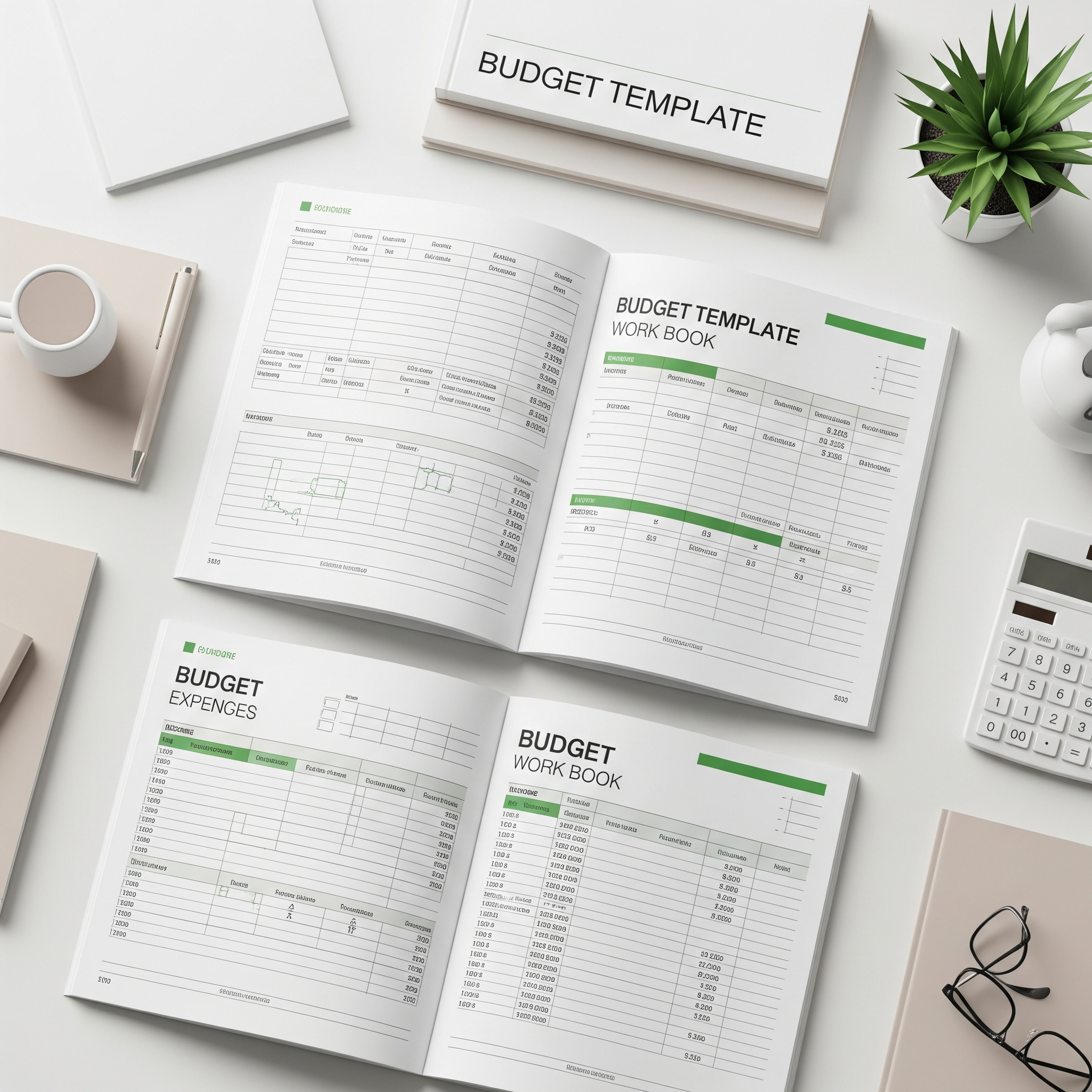
Open Google Sheets and create a simple table with four columns. Category, Budgeted Amount, Actual Amount, and Difference.
List every expense category in the first column both fixed and variable. Fill in the Budgeted Amount column with the targets you have set based on the 50/30/20 framework and your real spending history. Leave the Actual Amount and Difference columns empty you will fill those in at the end of each month.
At the bottom of the sheet add a row for Total Income, Total Expenses, and the difference between them. This final number income minus expenses should always be positive. If it is negative your monthly budget is telling you that you are spending more than you earn, which is the most important financial warning you can receive.
Step 6 Implement the Pay Yourself First Rule
The most powerful change you can make to your monthly budget is to automate your savings before you spend anything else.
On the day your salary arrives, set up an automatic transfer of your savings amount even if it is just 5% to a separate savings account. Do this before paying any other discretionary expenses. Do this before buying anything.
When savings happen automatically at the start of the month they always happen. When savings are whatever is left at the end of the month they almost never happen. This single habit is the difference between people who build wealth and people who wonder where their money went.
Step 7 Review Your Budget Every Month
A monthly budget is a living document, not a one time exercise. On the first day of every month spend 20 to 30 minutes reviewing the previous month.
Fill in the Actual Amount column for every category. Calculate the difference between what you budgeted and what you spent. Look at where you overspent and ask why. Was it a genuine unexpected expense or a choice you made? Adjust your budgeted amounts for next month based on what you learned.
This monthly review is where the real financial transformation happens. You are not just tracking numbers you are developing an honest relationship with your own spending patterns. Over time you will spend less unconsciously, save more deliberately, and feel significantly less stressed about money.
Common Monthly Budget Mistakes to Avoid
Not budgeting for irregular expenses is the most common mistake. Car repairs, medical bills, school fees, annual subscriptions these feel like emergencies but they are predictable. Add a category called Irregular Expenses to your monthly budget and contribute a fixed amount every month. When the expense arrives the money is already there.
Giving up after one bad month is the second most common mistake. A monthly budget is not a test you pass or fail. It is a tool you use. A month where you overspent in three categories is not a failed budget it is data that tells you where to focus next month.
Making the budget too complicated is another common trap. If your budget has 47 categories and takes two hours to review, you will stop doing it. Keep it simple. Ten to fifteen categories is enough for most people.
The Tools That Make Budgeting Easier
You do not need expensive software to maintain a monthly budget. Google Sheets is free and works on any device. A simple notebook works just as well for people who prefer paper.
If you want an app, YNAB You Need A Budget is widely considered the most effective budgeting app available. It is based on the principle of giving every dollar a job before you spend it. There is a subscription cost but most users report saving significantly more than the cost within the first month.
For people who want something free, Mint and Personal Capital both offer free budget tracking with automatic bank account integration.
The Bottom Line
Learning how to make a monthly budget is not complicated. It requires honesty about your current numbers, a simple framework to organise them, and a consistent habit of reviewing them every month.
The people who transform their finances are not the ones who earn the most. They are the ones who know exactly where their money goes and make deliberate decisions about it every single month.
Start today. Write down your income. List your fixed expenses. Review your last three months of variable spending. The clarity you gain from that single exercise will change how you think about money permanently.

John F. Miller is a personal finance writer and the founder of MyCash Advice. He covers savings accounts, credit cards, budgeting strategies, and debt payoff methods. His mission is to make practical money advice accessible to everyone regardless of income level.