7 Proven Steps to Get Out of Debt Fast No Matter How Much You Owe
Getting out of debt is one of the most important financial decisions you will ever make. Debt does not just take your money it takes your options, your sleep, and your peace of mind. But here is what nobody tells you: getting out of debt is not about how much money you earn. It is about having a system and protecting that system every single day.
This guide gives you that system. Follow it exactly and you will be debt free faster than you think possible.

Why Most People Never Get Out of Debt Fast
Most people approach debt the wrong way. They make minimum payments every month, feel like they are making progress, and then check their balance six months later to discover it has barely moved. This is not an accident — it is how debt is designed to work.
Minimum payments are calculated to keep you paying for as long as possible. A $5,000 credit card balance at 20% interest, paid at the minimum each month, takes over 20 years to clear and costs you more than double the original amount in interest alone. The system is not on your side. Your plan has to be.
Step 1 — Write Down Every Single Debt You Owe
Do not skip this step. Most people have a rough idea of what they owe but have never sat down and written every debt in one place. That avoidance is part of why debt grows.
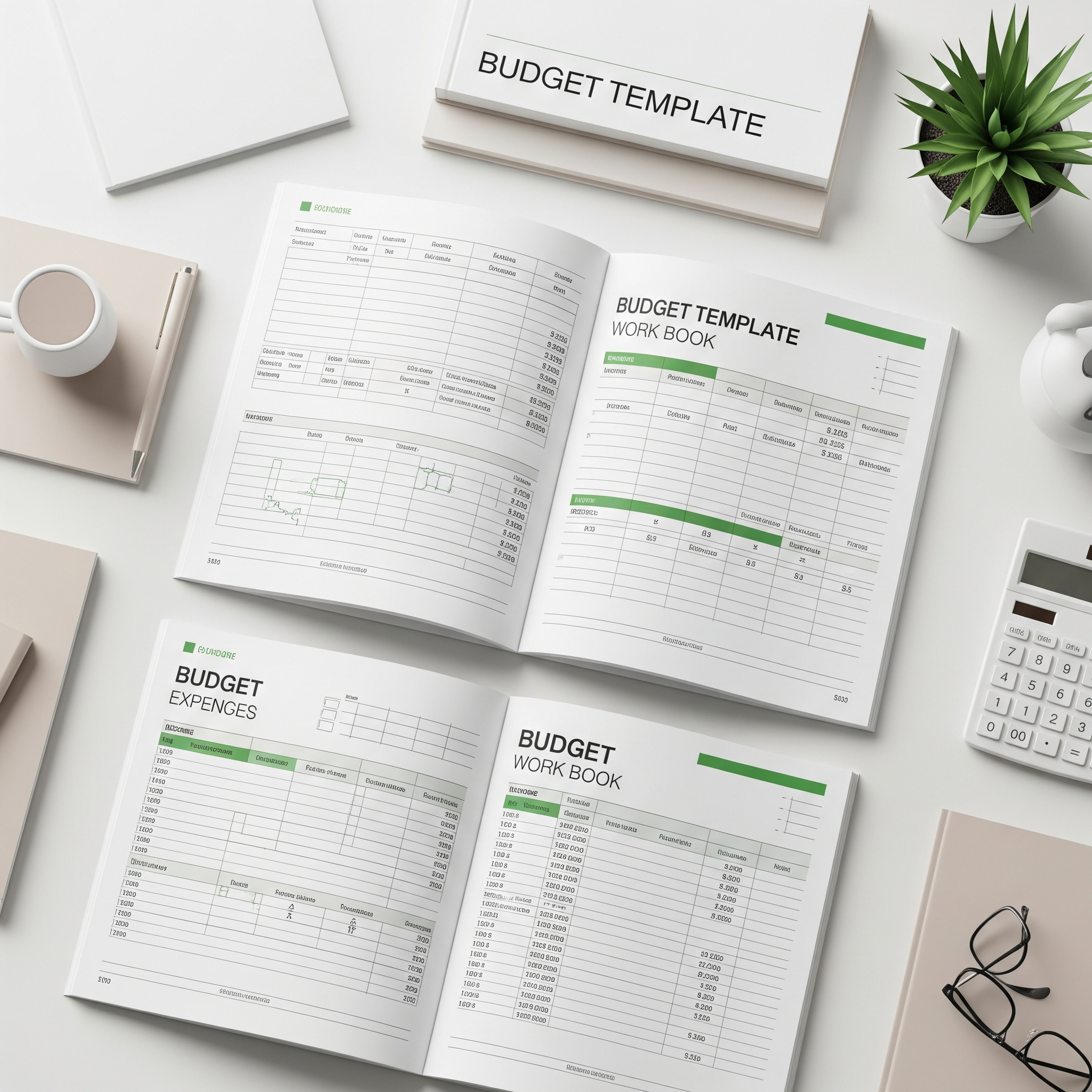
Open a notebook or a spreadsheet and create four columns. Creditor name, total balance owed, minimum monthly payment, and interest rate. Fill in every single debt credit cards, personal loans, buy now pay later balances, money owed to family members, everything.
When you see the complete picture in one place two things happen. First, you feel the weight of it which is uncomfortable but necessary. Second, you see clearly which debts are costing you the most money, which gives you a target.
Do this today before moving to Step 2. Do not estimate log into every account and get the exact numbers.
Step 2 — Choose Your Debt Payoff Strategy
There are two proven methods for paying off debt. Both work. The one you choose depends on your personality.
The Avalanche Method
With the Avalanche Method you list your debts from highest interest rate to lowest. You pay the minimum on every debt except the one with the highest interest rate — on that one you throw every extra dollar you can find. Once that debt is cleared you move to the next highest interest rate debt and repeat.
This method saves the most money mathematically because you eliminate the most expensive debt first. If you are motivated by numbers and long term savings, this is your method. This is one of the fastest proven method to get out of debt fast without needing a high income.
The Snowball Method
With the Snowball Method you list your debts from smallest total balance to largest, ignoring interest rates completely. You pay minimums on everything and attack the smallest balance with every extra dollar until it is gone. Then you take the money you were paying on that debt and add it to the payment on the next smallest. Your payments snowball in size as you clear each debt.
This method works because psychology matters more than mathematics when it comes to behaviour change. Clearing a debt completely even a small one gives you a win. Wins create momentum. Momentum keeps you going when motivation fades.
Research consistently shows that people who use the Snowball Method are more likely to actually complete their debt payoff journey. If you have struggled with debt payoff plans before, use the Snowball. Many people who get out of debt fast say the snowball method changed everything for them. For a deeper breakdown of both methods visit NerdWallet.
Step 3 Find Extra Money to Throw at Your Debt
You can get out of debt fast by cutting expenses and increasing income at the same time. The minimum payments alone will not get you out of debt fast. You need extra money going toward your target debt every single month. Here is where to find it.
Cancel subscriptions you are not using. Log into your bank statement right now and look for recurring charges. Streaming services, gym memberships, app subscriptions, news sites cancel everything you have not used in the last 30 days. Most people find $50 to $150 per month here without feeling any pain.
Stop eating out for 30 days. This is temporary, not permanent. Cook every meal at home for one month and redirect the savings directly to your debt. The average person spends $300 to $500 per month eating out. Half of that thrown at debt changes your payoff timeline dramatically.
Sell things you do not need. Walk through your home and identify everything you have not used in six months. Clothes, electronics, furniture, equipment list them on Facebook Marketplace or Jumia. One weekend of selling can generate $200 to $500 of debt payment money.
Take on temporary extra income. Delivery work, freelance writing, tutoring, car washing, event work any extra income for even three months accelerates your debt payoff more than any other single action. You do not need to do this forever. Do it until your highest priority debt is cleared.
Step 4 Automate Your Minimum Payments
Missing a payment is one of the most expensive mistakes you can make. Late fees, penalty interest rates, and credit score damage all make your debt more expensive and harder to escape.
Set up automatic payments for the minimum amount on every single debt. Do this today. Log into each account and find the autopay setting. Set it to pay the minimum on the same date every month, ideally two days after your salary hits your account.
This means you will never miss a payment regardless of how busy or distracted life gets. Your minimum payments become automatic and invisible. The only payment you actively manage is your target debt the one you are attacking with extra money.
Step 5 Stop Adding New Debt Immediately
This is where most debt payoff plans collapse. People work hard to pay down a credit card and then use it again the same month. You end up running on a treadmill working hard but going nowhere.
While you are in debt payoff mode, your credit cards need to become inconvenient. Remove saved card details from every online store. Put your physical cards somewhere that requires effort to access a drawer, a bag in a cupboard, anywhere that creates a pause before you use them. That pause is where your better judgment lives.
This does not mean you can never use credit again. It means that right now, during this specific season of your financial life, new debt is the enemy of your freedom. The number one secret of those who get out of debt fast is consistency over perfection.
Step 6 Track Your Progress Every Month
What gets measured gets managed. On the first day of every month open your debt list and update every balance. Watch the numbers go down. Screenshot it. Keep a record.
Tracking your progress does two things. It keeps you honest you cannot pretend you are making progress when the numbers are right in front of you. And it motivates you seeing balances decrease, even slowly, gives your brain the reward signal it needs to keep going.
Celebrate every debt you clear completely. Tell someone. Acknowledge the win. This is not a small thing. You are doing something the majority of people never do.
Step 7 Build a Small Emergency Fund First
Before aggressively paying down debt, save a small emergency fund of $500 to $1,000 and keep it untouched. This sounds counterintuitive when you are trying to pay off debt but it is critical.
Without an emergency fund, the first unexpected expense a medical bill, a car repair, a broken phone goes straight onto a credit card and undoes weeks of progress. The emergency fund is a firewall that protects your debt payoff plan from the unpredictability of real life.
How Long Will It Take?
The honest answer depends on how much you owe and how much extra you can throw at it each month. But here is a rough guide. If you owe $5,000 and can find $300 extra per month, you can be debt free in under 18 months. If you owe $15,000 and can find $500 extra per month, three years is realistic. These timelines feel long until you compare them to making minimum payments for 20 years.
The Bottom Line
Getting out of debt fast requires three things working together. A clear list of what you owe. A strategy for which debt to attack first. And extra money found and protected every single month.
None of these steps require a high income or a finance degree. They require honesty about your numbers and consistency in your actions. Start with Step 1 today. Just writing the list puts you ahead of most people.
Your debt free date exists. The only question is how soon you want to reach it.
how to get out of debt fast
Frequently Asked Questions
What is the fastest way to get out of debt?
The fastest way to get out of debt is the avalanche method — paying off your highest interest debt first while making minimum payments on everything else. This saves the most money in interest over time.
What is the difference between the avalanche and snowball method?
The avalanche method targets highest interest debt first saving you more money. The snowball method targets smallest balance first giving you quick wins and motivation. Both work — choose based on your personality.
How long does it take to get out of debt?
It depends on how much debt you have and how aggressively you pay it down. With a solid plan most people can pay off consumer debt within 2 to 5 years.
Should I save money while paying off debt?
Yes. Build a small emergency fund of $1,000 first before aggressively paying off debt. This prevents you from going further into debt when unexpected expenses arise.

John F. Miller is a personal finance writer and the founder of MyCash Advice. He covers savings accounts, credit cards, budgeting strategies, and debt payoff methods. His mission is to make practical money advice accessible to everyone regardless of income level.