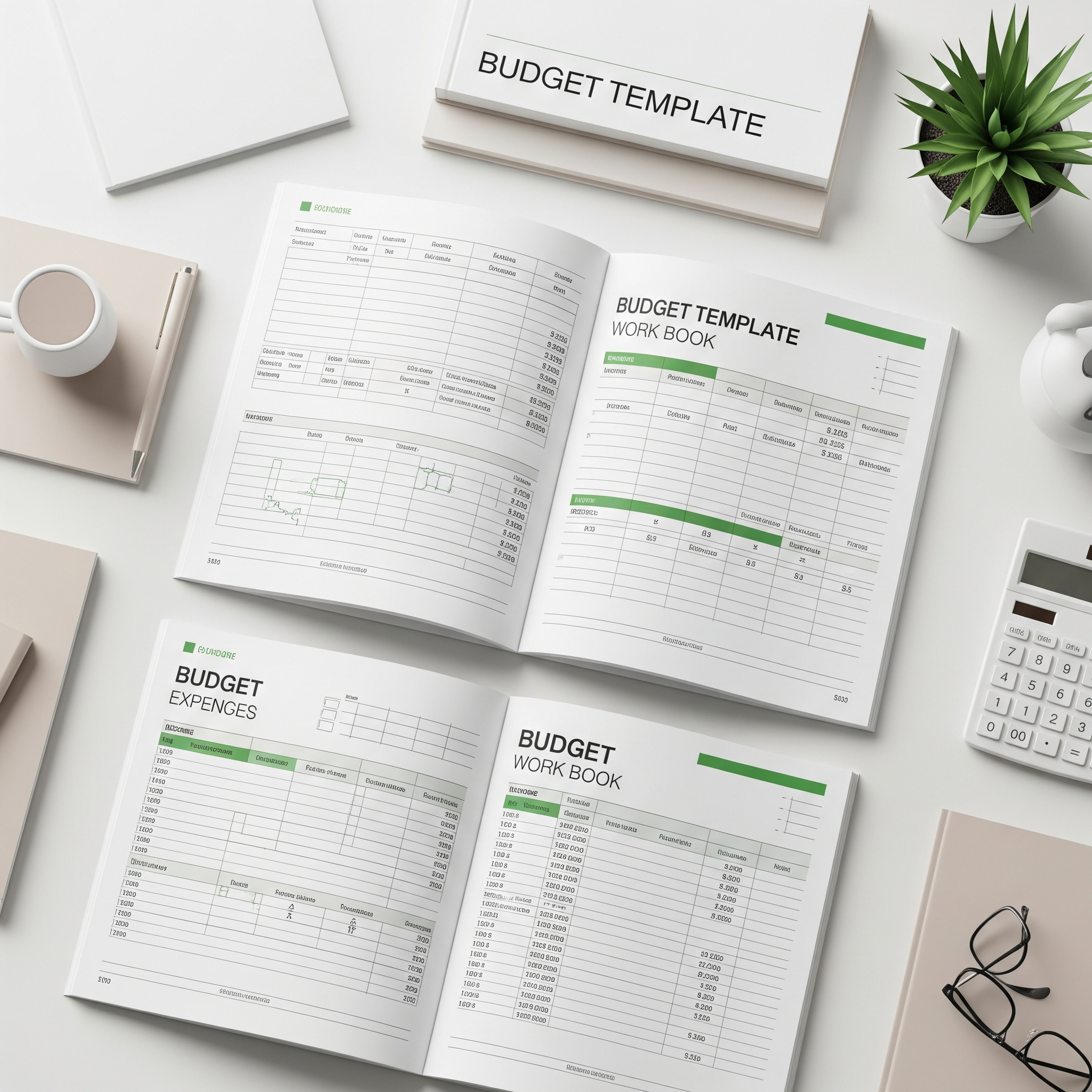
Weekly Budget Plan for Beginners
A monthly budget sounds good in theory.
You write down your income.
You list your bills.
You plan your groceries.
You decide how much to save.
You promise yourself this month will be different.
Then the first week happens.
You spend more than expected on food.
You grab takeout twice.
You fill the gas tank.
You buy something small online.
A subscription renews.
A friend invites you out.
You tell yourself there is still plenty of month left.
By the second week, the budget is already weak.
By the third week, you are trying to stretch whatever is left.
By the final week, you are waiting for payday.
That is why many beginners need a weekly budget plan.
A monthly budget gives you the big picture. But a weekly budget gives you control right now.
A weekly budget plan for beginners breaks your money into smaller, easier-to-manage pieces. Instead of trying to control 30 days at once, you control the next 7 days.
That matters because most overspending does not happen at the end of the month. It happens early, when you feel like you still have enough money.
A weekly budget helps you slow down before the damage is done.
If you are new to budgeting, start with the full pillar article here: Budgeting for Beginners: 16 Steps to Manage Your Money. A weekly plan works best when it connects to your full budgeting for beginners strategy.
What Is a Weekly Budget Plan?
A weekly budget plan is a money plan for one week.
It shows how much money you can spend during the next 7 days after your bills, savings, and important responsibilities are covered.
A weekly budget can include:
- groceries
- gas or transportation
- eating out
- personal spending
- household items
- entertainment
- small bills
- savings
- debt payments
- miscellaneous expenses
The goal is simple:
Spend only what your week can afford.
A monthly budget may say:
“You have $800 for groceries, gas, eating out, and personal spending this month.”
A weekly budget turns that into:
“You have $200 this week.”
That is easier to understand.
It gives you a short-term spending limit before you accidentally use the whole month’s money too early.
Why Weekly Budgeting Works Better for Many Beginners
Monthly budgeting can feel too distant.
Thirty days is a long time to manage money, especially if you are new to budgeting.
A beginner may see $800 available for flexible spending and feel comfortable. But if they spend $400 in the first week, they have created a problem.
Weekly budgeting creates faster feedback.
You do not have to wait until the end of the month to realize something is wrong.
You know by Wednesday or Thursday if you are spending too quickly.
That makes weekly budgeting useful for people who:
- overspend after payday
- run out of money before the month ends
- struggle with food spending
- use credit cards too casually
- forget small purchases
- feel overwhelmed by monthly budgets
- get paid weekly or biweekly
- want tighter spending control
- need a simple beginner system
A weekly budget is not childish.
It is tactical.
It brings the budget closer to daily life.
Weekly Budget vs. Monthly Budget
A weekly budget does not replace a monthly budget completely.
It works with it.
The monthly budget handles the big picture.
The weekly budget handles daily behavior.
| Budget Type | Purpose | Best For |
| Monthly budget | Full income, bills, savings, debt, goals | Big-picture planning |
| Weekly budget | Short-term spending limits | Day-to-day control |
For example, your monthly budget may include:
- rent
- utilities
- insurance
- debt payments
- savings
- groceries
- transportation
- entertainment
- personal spending
Your weekly budget focuses mostly on the categories you control week by week:
- groceries
- eating out
- gas
- personal spending
- entertainment
- household items
- miscellaneous
This is important.
You do not need to divide every expense weekly.
Rent may be paid monthly. Insurance may be paid monthly. Phone bills may be monthly.
The weekly budget is mainly for spending that can get out of control.
Who Should Use a Weekly Budget?
A weekly budget is especially useful if you often say:
“I do not know where my money went.”
Or:
“I had money last week. Now it is gone.”
You should consider a weekly budget if:
- you overspend in the first half of the month
- you get paid weekly
- you get paid biweekly
- you use debit or credit cards often
- food spending is hard to control
- you want to stop impulse purchases
- you are budgeting on a low income
- you are trying to pay off debt
- you need a simpler system than monthly tracking
- you want to build discipline
A weekly budget is also helpful for people with irregular income.
If income changes, weekly planning helps you adjust faster.
The Simple Weekly Budget Formula
Use this formula:
Weekly spending money = monthly income – fixed bills – savings – debt payments – monthly essentials, divided by number of weeks
That may look complicated, but it is simple in practice.
Let’s break it down.
First, calculate your monthly take-home income.
Then subtract:
- rent or mortgage
- utilities
- phone and internet
- insurance
- debt payments
- planned savings
- subscriptions
- other fixed bills
Then look at what is left for flexible spending.
Flexible spending includes:
- groceries
- gas
- eating out
- entertainment
- personal spending
- household items
- miscellaneous
Then divide that amount by 4 or by the number of weeks until your next paycheck.
Example:
| Item | Amount |
| Monthly take-home income | $3,000 |
| Fixed bills | -$1,500 |
| Savings | -$200 |
| Debt payments | -$200 |
| Remaining for flexible spending | $1,100 |
Now divide $1,100 by 4 weeks:
$1,100 ÷ 4 = $275 per week
This person has about $275 per week for groceries, gas, eating out, personal spending, household items, and miscellaneous expenses.
That weekly number is the guardrail.
Step 1: Know Your Monthly Income
Before creating a weekly budget, start with your monthly take-home income.
Use the money that actually reaches your bank account after taxes and deductions.
Do not use gross salary.
Example:
| Income Source | Amount |
| Paycheck 1 | $1,500 |
| Paycheck 2 | $1,500 |
| Side income | $200 |
| Total monthly take-home income | $3,200 |
Your budget starts with $3,200.
If your income changes, use your lowest realistic income.
Example:
| Month | Income |
| January | $3,100 |
| February | $2,700 |
| March | $3,400 |
| April | $2,900 |
Use $2,700 as your base.
When extra money comes in, assign it to savings, debt, bills, or future expenses.
Do not treat every extra dollar as free spending money.
Step 2: List Your Fixed Bills
Fixed bills usually stay the same or close to the same each month.
Examples:
- rent
- mortgage
- car payment
- phone bill
- internet
- insurance
- subscriptions
- loan payments
- minimum debt payments
- childcare
Write them down.
| Fixed Bill | Amount |
| Rent | $950 |
| Car payment | $280 |
| Phone | $60 |
| Internet | $55 |
| Insurance | $130 |
| Subscriptions | $45 |
| Minimum debt payment | $150 |
| Total fixed bills | $1,670 |
Fixed bills matter because they reduce the money you can spend weekly.
If your income is $3,200 and fixed bills are $1,670, you have $1,530 left before savings, groceries, gas, and other expenses.
Step 3: Decide Your Savings and Debt Goals First
Do not wait until the end of the week to save.
If you save whatever is left, you may save nothing.
Decide your savings and debt goals before calculating weekly spending.
Examples:
| Goal | Monthly Amount |
| Emergency fund | $100 |
| Car repair fund | $50 |
| Extra debt payment | $100 |
| Total goals | $250 |
Now subtract this from your available money.
Example:
| Item | Amount |
| Monthly income | $3,200 |
| Fixed bills | -$1,670 |
| Savings/debt goals | -$250 |
| Remaining | $1,280 |
Now the remaining $1,280 is what you can divide into weekly spending.
If you skip this step, your weekly spending may eat the money that should have gone to savings.
Step 4: Identify Weekly Spending Categories
Weekly budgeting works best for categories that change often.
These are the categories where people overspend.
Common weekly categories:
- groceries
- gas or transport
- eating out
- personal spending
- entertainment
- household items
- kids’ expenses
- pet expenses
- miscellaneous
Example:
| Weekly Category | Weekly Amount |
| Groceries | $100 |
| Transportation | $50 |
| Eating out | $30 |
| Personal spending | $40 |
| Household items | $25 |
| Miscellaneous | $35 |
| Total weekly budget | $280 |
This gives you a clear weekly limit.
Instead of saying:
“I hope I do not overspend this month.”
You say:
“I have $280 this week.”
That is more useful.
Step 5: Divide Monthly Flexible Spending Into Weekly Limits
Now take your monthly flexible spending and divide it.
Example:
| Monthly Flexible Category | Monthly Budget |
| Groceries | $450 |
| Gas/transportation | $220 |
| Eating out | $120 |
| Personal spending | $160 |
| Household items | $100 |
| Miscellaneous | $150 |
| Total | $1,200 |
Divide by 4:
| Weekly Category | Weekly Budget |
| Groceries | $112.50 |
| Gas/transportation | $55 |
| Eating out | $30 |
| Personal spending | $40 |
| Household items | $25 |
| Miscellaneous | $37.50 |
| Total | $300 |
Now you know the weekly plan.
If decimals bother you, round the numbers.
Example:
| Weekly Category | Rounded Weekly Budget |
| Groceries | $110 |
| Transportation | $55 |
| Eating out | $30 |
| Personal spending | $40 |
| Household items | $25 |
| Miscellaneous | $40 |
| Total | $300 |
Keep it simple.
Step 6: Plan Your Week Before It Starts
Do not create the weekly budget halfway through the week.
Make the plan before the week begins.
Pick a planning day.
Good options:
- Sunday evening
- Monday morning
- payday
- the day after payday
Use this weekly planning checklist:
| Question | Answer |
| How much money is available this week? | |
| What bills are due this week? | |
| What groceries are needed? | |
| How much gas or transport is needed? | |
| Any appointments or events? | |
| Any school, child, or family expenses? | |
| What spending category caused problems last week? | |
| What is the weekly limit? |
This takes 10–15 minutes.
That small check-in can prevent a full week of careless spending.
Step 7: Use a Weekly Cash or Card Limit
Once you know your weekly spending amount, create a hard limit.
Example:
Your weekly flexible spending limit is $250.
You can manage it in three ways.
Option 1: Cash Envelope Method
Withdraw $250 and divide it into envelopes.
| Envelope | Amount |
| Groceries | $110 |
| Gas | $50 |
| Eating out | $30 |
| Personal | $30 |
| Miscellaneous | $30 |
When the envelope is empty, that category is done.
This works well for people who overspend with cards.
Option 2: Separate Spending Account
Move $250 into a separate checking account or debit card.
Use that account only for weekly spending.
When the balance gets low, you slow down.
Option 3: App or Spreadsheet Limit
Track the $250 in a budgeting app or spreadsheet.
Subtract every purchase.
Example:
| Purchase | Amount | Weekly Balance |
| Starting weekly amount | $250 | |
| Groceries | -$82 | $168 |
| Gas | -$40 | $128 |
| Coffee | -$6 | $122 |
| Household items | -$24 | $98 |
This keeps the weekly number visible.
Visibility controls behavior.
Step 8: Track Spending During the Week
A weekly budget fails if you do not track spending.
You do not need a complicated system.
Use this simple weekly tracker:
| Day | Spending | Category | Amount | Weekly Balance |
| Monday | Groceries | Food | $78 | $222 |
| Tuesday | Gas | Transportation | $40 | $182 |
| Wednesday | Lunch | Eating out | $12 | $170 |
| Thursday | Household items | Household | $24 | $146 |
| Friday | Coffee | Eating out | $6 | $140 |
| Saturday | Entertainment | Fun | $30 | $110 |
| Sunday | No spend | — | $0 | $110 |
At the end of the week, check what worked.
If you have money left, decide what to do with it.
Options:
- roll it into next week
- move it to savings
- pay extra debt
- keep it as a buffer
Do not let leftover money disappear randomly.
Give it a job.
Step 9: Use a Midweek Check-In
This is the part most people skip.
A weekly budget should be checked halfway through the week.
Pick Wednesday or Thursday.
Ask:
- How much have I spent?
- How much is left?
- What still needs to be paid?
- Am I spending too fast?
- Do I need to adjust meals or plans?
- Should I cancel or reduce weekend spending?
Example:
Weekly budget: $300
Spent by Wednesday: $220
Remaining: $80
That means you need to slow down.
Without a midweek check-in, you may not notice until Sunday night.
Use this template:
| Midweek Question | Answer |
| Starting weekly budget | |
| Amount spent so far | |
| Amount left | |
| Days left in week | |
| Biggest category so far | |
| What must change? |
This one habit can save your budget.
Step 10: Review the Week Before Starting the Next One
At the end of each week, review what happened.
Do not just move on.
Use this review:
| Question | Answer |
| Did I stay within my weekly limit? | |
| Which category was too high? | |
| What spending was unnecessary? | |
| What expense surprised me? | |
| Did I save anything? | |
| What should I change next week? |
This turns your budget into a learning system.
Example weekly review:
I stayed under budget by $35. Groceries were fine, but eating out was too high. Next week I will meal prep lunch for three days and keep eating out under $20.
That is useful.
A vague thought like “I need to do better” is weak.
A specific adjustment is strong.
Weekly Budget Example for Beginners
Let’s build a full example.
Income: $3,000 per month
Fixed bills:
| Bill | Amount |
| Rent | $950 |
| Utilities | $180 |
| Phone/Internet | $110 |
| Insurance | $130 |
| Debt minimums | $180 |
| Subscriptions | $50 |
| Total fixed bills | $1,600 |
Savings and goals:
| Goal | Amount |
| Emergency fund | $150 |
| Extra debt payment | $100 |
| Total goals | $250 |
Now subtract:
| Item | Amount |
| Monthly income | $3,000 |
| Fixed bills | -$1,600 |
| Savings/debt goals | -$250 |
| Available for weekly spending | $1,150 |
Divide by 4 weeks:
$1,150 ÷ 4 = $287.50
Round to $285 or $290 per week.
Weekly budget:
| Category | Weekly Amount |
| Groceries | $115 |
| Transportation | $55 |
| Eating out | $30 |
| Personal spending | $35 |
| Household items | $25 |
| Miscellaneous | $30 |
| Total | $290 |
Now the person has a clear weekly plan.
The budget is no longer abstract.
They know exactly what they can spend this week.
Weekly Budget for Biweekly Paychecks
Many people get paid every two weeks.
A weekly budget can still work.
Example:
Biweekly paycheck: $1,500
Bills due before next paycheck:
| Expense | Amount |
| Rent portion | $500 |
| Utilities | $150 |
| Phone | $60 |
| Debt payment | $100 |
| Savings | $100 |
| Total | $910 |
Remaining:
$1,500 – $910 = $590
This $590 must last two weeks.
Weekly amount:
$590 ÷ 2 = $295 per week
Weekly plan:
| Category | Weekly Amount |
| Groceries | $120 |
| Gas | $50 |
| Eating out | $30 |
| Personal | $40 |
| Household/miscellaneous | $55 |
| Total | $295 |
This prevents the first week from stealing the second week’s money.
That is the real power of a weekly budget for biweekly pay.
Weekly Budget for Weekly Paychecks
If you get paid weekly, the system is even simpler.
Example:
Weekly paycheck: $750
Weekly obligations:
| Expense | Amount |
| Rent savings portion | $250 |
| Utilities portion | $50 |
| Phone/internet portion | $35 |
| Debt payment portion | $50 |
| Emergency fund | $25 |
| Total set aside | $410 |
Remaining:
$750 – $410 = $340
Weekly spending plan:
| Category | Amount |
| Groceries | $120 |
| Transportation | $60 |
| Eating out | $35 |
| Personal spending | $50 |
| Household items | $25 |
| Miscellaneous | $50 |
| Total | $340 |
The key is setting aside money for monthly bills every week.
Do not spend the full paycheck just because the rent is not due yet.
That is how weekly-paid workers get trapped.
Weekly Budget for Low Income
A weekly budget is very useful on a low income because money has less room for mistakes.
Example:
Monthly income: $2,000
Fixed bills:
| Bill | Amount |
| Rent | $800 |
| Utilities | $160 |
| Phone | $45 |
| Transportation pass | $120 |
| Minimum debt payments | $100 |
| Insurance | $90 |
| Total fixed bills | $1,315 |
Savings goal:
| Goal | Amount |
| Emergency fund | $40 |
Remaining:
$2,000 – $1,315 – $40 = $645
Weekly amount:
$645 ÷ 4 = $161.25
Weekly budget:
| Category | Weekly Amount |
| Groceries | $85 |
| Household items | $20 |
| Personal spending | $15 |
| Miscellaneous | $25 |
| Buffer | $16 |
| Total | $161 |
This is tight.
But it is clearer than guessing.
A low-income weekly budget should focus first on:
- food
- transportation
- medicine
- household basics
- avoiding new debt
- small emergency savings
Do not pretend the budget has more room than it does.
A tight budget needs honesty.
Weekly Budget for Families
Families may need more categories.
Example weekly family budget:
| Category | Weekly Amount |
| Groceries | $180 |
| Gas/transportation | $80 |
| School/kids | $40 |
| Household items | $45 |
| Eating out | $50 |
| Family entertainment | $40 |
| Personal spending | $50 |
| Miscellaneous | $60 |
| Total | $545 |
Families should plan for small recurring costs like:
- school events
- sports
- lunch money
- medicine
- diapers
- baby supplies
- children’s clothing
- birthday parties
- extra groceries
- family transportation
If you do not include these, they will still happen.
A family weekly budget needs a bigger miscellaneous category than a single person’s budget.
Weekly Budget Template
Use this template before each week begins.
| Category | Weekly Budget | Actual Spent | Difference |
| Groceries | |||
| Transportation | |||
| Eating out | |||
| Personal spending | |||
| Household items | |||
| Kids/family | |||
| Entertainment | |||
| Miscellaneous | |||
| Total |
Use this tracker during the week:
| Day | Purchase | Category | Amount | Balance Left |
| Monday | ||||
| Tuesday | ||||
| Wednesday | ||||
| Thursday | ||||
| Friday | ||||
| Saturday | ||||
| Sunday |
Use this review after the week ends:
| Review Question | Answer |
| Did I stay within budget? | |
| What category was too high? | |
| What category was lower than expected? | |
| What expense surprised me? | |
| What can I improve next week? | |
| What should I do with leftover money? |
The 7-Day Weekly Budget Plan
Here is a simple 7-day system.
Day 1: Plan the Week
Write your weekly spending limit.
List:
- groceries needed
- bills due
- transportation needs
- events
- appointments
- personal spending limit
Day 2: Buy Essentials First
Pay or set aside money for the most important needs.
Examples:
- groceries
- gas
- medicine
- school needs
- work transportation
Do not spend on wants before essentials are covered.
Day 3: Check Your Balance
Review what is left.
Ask:
“Am I spending too fast?”
If yes, slow down before the weekend.
Day 4: Avoid Impulse Spending
Use a 24-hour rule.
If you want something unplanned, wait one day.
Most impulse purchases lose power after a pause.
Day 5: Prepare for the Weekend
Weekends can destroy a weekly budget.
Decide before Friday:
- how much you can spend
- where you will go
- what you will avoid
- whether eating out fits the plan
Day 6: Use What You Already Have
Before buying more, check:
- pantry
- fridge
- freezer
- household supplies
- gas level
- subscriptions
- unused items
Many people spend because they do not check what they already own.
Day 7: Review and Reset
Review the week.
Move leftover money intentionally.
Then prepare for the next week.
Common Weekly Budget Mistakes
Mistake 1: Forgetting Bills Due That Week
Always check upcoming bills before deciding what you can spend.
Mistake 2: Spending Too Much Early
Do not let Monday and Tuesday consume the entire week’s money.
Mistake 3: Not Tracking Small Purchases
Small purchases can destroy weekly limits quickly.
Mistake 4: Making the Weekly Budget Too Tight
If the number is impossible, you will quit.
Use realistic spending limits.
Mistake 5: Ignoring Weekends
Weekend spending needs a plan.
Do not pretend it will magically stay low.
Mistake 6: Not Saving First
If savings matter, set them aside before weekly spending begins.
Mistake 7: Rolling Over Overspending Without a Plan
If you overspend this week, decide how to fix it next week.
Do not ignore it.
What to Do If You Overspend Your Weekly Budget
Overspending does not mean the budget failed.
It means you need to adjust.
Use this process.
Step 1: Find the Category
Which category went over?
Examples:
- groceries
- eating out
- gas
- shopping
- entertainment
Step 2: Find the Reason
Why did it happen?
Examples:
- poor meal planning
- emotional spending
- unexpected bill
- social pressure
- forgotten expense
- unrealistic budget number
Step 3: Move Money From Another Category
Example:
| Category | Change |
| Groceries over budget | +$40 |
| Eating out reduced | -$40 |
Step 4: Adjust Next Week
If the category was unrealistic, fix the number.
If the spending was careless, create a rule.
Example:
No food delivery this week.
Grocery list before shopping.
Leave credit card at home.
Set $25 weekend limit.
The goal is correction, not guilt.
How to Make a Weekly Budget More Interesting
Budgeting feels boring when it only feels restrictive.
Make it more motivating by connecting it to a goal.
Examples:
- “I want to save $500.”
- “I want to stop using credit cards.”
- “I want to pay off this debt.”
- “I want to stop running out of money.”
- “I want less stress before payday.”
- “I want to build my emergency fund.”
Then the weekly budget becomes a tool, not a punishment.
You are not just saying no.
You are buying progress.
Weekly Budget Rules for Beginners
Use these simple rules:
- Plan the week before spending starts.
- Pay essentials first.
- Divide flexible spending into categories.
- Track every purchase.
- Check progress midweek.
- Plan weekend spending.
- Move leftover money intentionally.
- Adjust next week based on what happened.
- Do not quit after one bad week.
- Keep the system simple.
These rules are boring.
But boring systems are often the ones that work.
Final Thoughts: A Weekly Budget Gives You Control Faster
A monthly budget is important, but it can feel too far away.
A weekly budget brings your money closer.
It tells you what you can spend now, not just what you hope to spend this month.
That is why a weekly budget plan for beginners works.
It helps you control groceries, gas, eating out, personal spending, and small purchases before they destroy the entire month.
The goal is not to make life miserable.
The goal is to stop money from disappearing without permission.
Start simple.
Know your income.
Subtract fixed bills.
Set savings and debt goals.
Divide flexible spending by week.
Track purchases.
Check in midweek.
Review every Sunday.
Adjust the next week.
If you can control one week, you can control the month.
And if you can control the month, you can start changing your financial life.

John F. Miller is a personal finance writer and the founder of MyCash Advice. He covers savings accounts, credit cards, budgeting strategies, and debt payoff methods. His mission is to make practical money advice accessible to everyone regardless of income level.