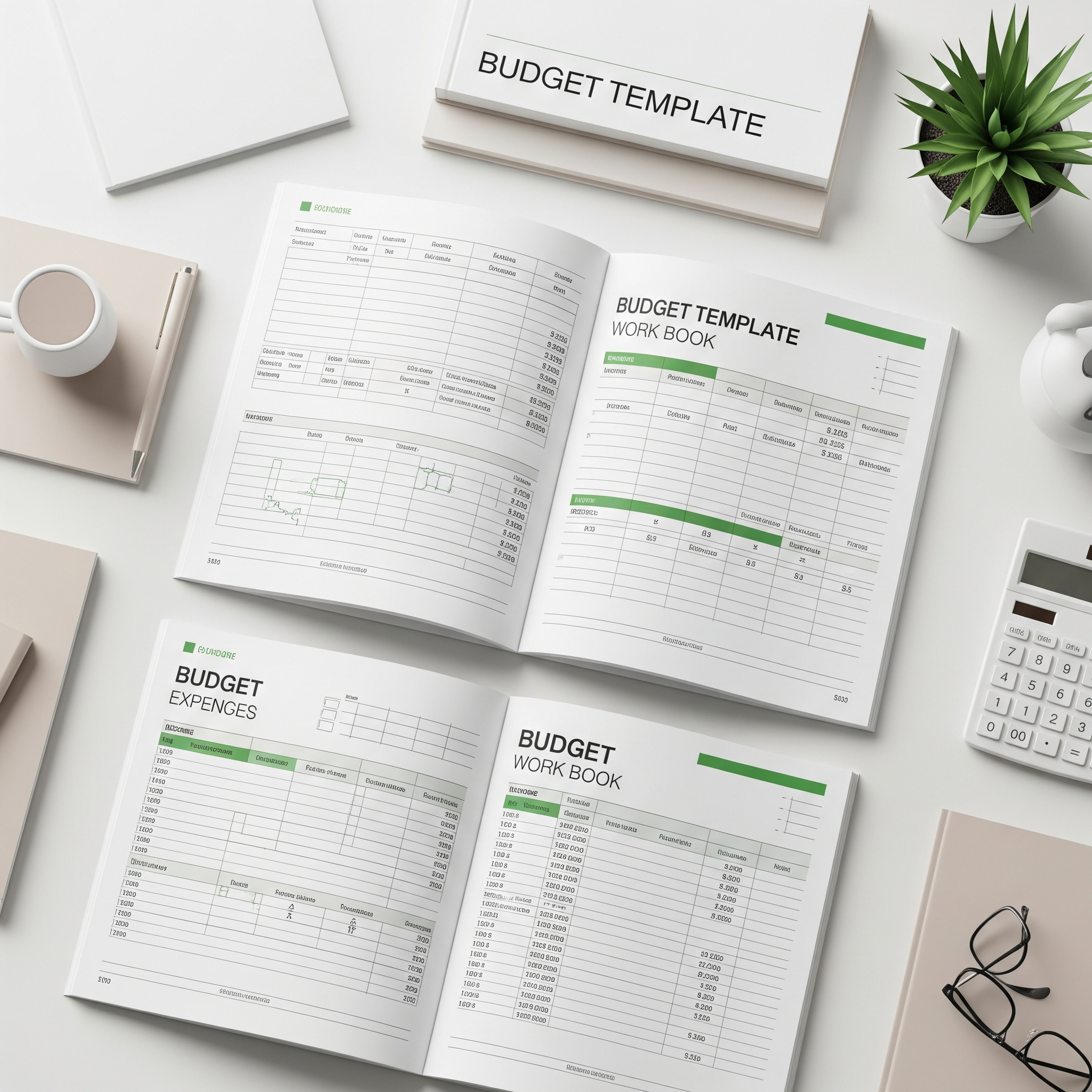
How to Make a Monthly Budget That Actually Works in 2026
Making a monthly budget sounds simple.
You write down your income.
You list your bills.
You promise yourself you will stop wasting money.
Then real life happens.
The car needs repairs. Groceries cost more than expected. A subscription renews automatically. You buy takeout after a stressful day. Someone invites you to dinner. By the third week of the month, the budget you created looks nothing like your actual spending.
That is why many people think budgeting does not work.
But the problem is usually not budgeting itself. The problem is the way the budget was built.
A monthly budget that actually works in 2026 needs to be realistic, flexible, simple, and based on your real spending habits. It should help you make better decisions with your money, not make you feel guilty every time life changes.
This guide will show you how to make a monthly budget step by step, even if you have never budgeted before.
And if you are completely new to managing money, start with the full pillar guide here: Budgeting for Beginners: 16 Steps to Manage Your Money.
What Is a Monthly Budget?
A monthly budget is a plan for how you will use your money during the month.
It shows:
- how much money you expect to receive
- how much you need for bills
- how much you plan to spend
- how much you want to save
- how much you can use for personal spending
A good monthly budget does not control your life. It gives your money direction.
Without a budget, your money disappears through small decisions. A few dollars here, a quick purchase there, an unplanned subscription, a food delivery order, a last-minute shopping trip. None of these may feel serious on their own, but together they can destroy your financial progress.
A budget helps you see the full picture before the month begins.
Why Monthly Budgets Fail
Before building your budget, you need to understand why most beginner budgets fail.
Most people fail because they create a fantasy budget.
They guess their expenses.
They underestimate food costs.
They forget irregular bills.
They leave no room for fun.
They plan to save too much too soon.
They expect a perfect month.
That is not budgeting. That is wishful thinking.
A monthly budget works only when it is based on your real life.
If you spend $600 a month on groceries, writing $300 in your budget will not magically fix the problem. It will only make the budget fail faster.
The goal is not to create a perfect-looking plan. The goal is to create a plan you can actually follow.
Step 1: Start With Your Real Monthly Income
The first step is to write down your monthly income.
But here is where many beginners make a mistake: they budget with gross income instead of take-home income.
Your gross income is what you earn before taxes, insurance, retirement contributions, and deductions.
Your take-home income is what actually lands in your bank account.
Use your take-home income.
For example:
| Income Source | Amount |
| Main job take-home pay | $2,800 |
| Side income | $300 |
| Freelance work | $200 |
| Total monthly income | $3,300 |
If your income changes every month, use your lowest typical income.
For example, if you usually earn between $2,500 and $3,200, build your budget around $2,500. That gives you a safer plan. Any extra income can go toward savings, debt, or future expenses.
Do not build your budget on your best possible month. Build it on a realistic month.
Step 2: List Your Fixed Expenses
Fixed expenses are bills that usually stay the same every month.
Examples include:
- rent or mortgage
- car payment
- phone bill
- internet
- insurance
- loan payments
- subscriptions
- childcare
- minimum debt payments
Create a list like this:
| Fixed Expense | Amount |
| Rent | $1,000 |
| Car payment | $300 |
| Phone | $70 |
| Internet | $60 |
| Insurance | $150 |
| Debt payment | $200 |
| Subscriptions | $40 |
| Total fixed expenses | $1,820 |
Fixed expenses are important because they show you how much money is already committed before the month begins.
If your income is $3,300 and your fixed expenses are $1,820, you have $1,480 left for everything else.
That remaining money must cover food, transportation, savings, personal spending, emergencies, and variable expenses.
Step 3: List Your Variable Expenses
Variable expenses are costs that change from month to month.
Examples include:
- groceries
- gas
- eating out
- clothing
- entertainment
- personal care
- household items
- gifts
- medical costs
- pet expenses
- school expenses
- parking
- repairs
These are the categories where many budgets break.
Why?
Because people guess too low.
They say, “I’ll spend $250 on groceries,” but they usually spend $500. They say, “I won’t eat out this month,” but then life gets busy and they order food four times.
A working budget needs honest numbers.
Here is an example:
| Variable Expense | Budget Amount |
| Groceries | $450 |
| Gas/transportation | $220 |
| Eating out | $150 |
| Household items | $100 |
| Personal care | $80 |
| Entertainment | $100 |
| Clothing | $75 |
| Miscellaneous | $125 |
| Total variable expenses | $1,300 |
Now the picture becomes clearer.
If your income is $3,300, fixed expenses are $1,820, and variable expenses are $1,300, you have only $180 left.
That $180 must cover savings, emergencies, and unexpected costs.
This is why writing a budget is powerful. It reveals the truth.
Step 4: Track Your Spending Before You Cut Anything
Do not start by cutting everything.
Start by tracking.
For at least one month, track every dollar you spend. This includes bills, cash purchases, card payments, subscriptions, snacks, delivery fees, app purchases, and small expenses.
Small expenses matter.
A $6 coffee does not seem like much. But five times a week, that becomes about $120 a month. A $12 subscription may look harmless, but five unused subscriptions can quietly take $60 a month.
Tracking gives you evidence.
You can track your spending using:
- a notebook
- a spreadsheet
- your banking app
- a budgeting app
- a notes app on your phone
The tool matters less than the habit.
At the end of the month, group your spending into categories:
| Category | Actual Spending |
| Groceries | $520 |
| Eating out | $230 |
| Gas | $210 |
| Subscriptions | $75 |
| Shopping | $180 |
| Entertainment | $95 |
| Miscellaneous | $160 |
Now compare your actual spending to your planned spending.
This is where the budget becomes real.
Step 5: Choose Your Main Budgeting Method
There is no perfect budgeting method for everyone.
The best method is the one you can follow consistently.
Here are three beginner-friendly options.
Option 1: The 50/30/20 Budget
The 50/30/20 budget divides your income into three parts:
| Category | Percentage | Purpose |
| Needs | 50% | Rent, food, bills, transportation |
| Wants | 30% | Eating out, shopping, entertainment |
| Savings/debt | 20% | Savings, emergency fund, extra debt payments |
Example with $3,000 monthly income:
| Category | Amount |
| Needs | $1,500 |
| Wants | $900 |
| Savings/debt | $600 |
This method is simple and easy to understand.
But here is the problem: it does not work perfectly for everyone.
If your rent is high or your income is low, your needs may already take more than 50%. That does not mean you failed. It means you need to adjust the percentages to fit your reality.
The 50/30/20 rule is a guide, not a law.
Option 2: Zero-Based Budgeting
Zero-based budgeting means every dollar gets a job.
If you earn $3,300, your budget should assign all $3,300 to expenses, savings, debt, giving, or future goals.
The goal is:
Income – Expenses – Savings = 0
This does not mean you spend all your money.
It means every dollar has a purpose.
Example:
| Category | Amount |
| Income | $3,300 |
| Rent | $1,000 |
| Utilities | $180 |
| Phone/internet | $130 |
| Groceries | $450 |
| Transportation | $220 |
| Insurance | $150 |
| Debt payments | $250 |
| Savings | $300 |
| Eating out | $150 |
| Personal spending | $150 |
| Subscriptions | $50 |
| Household items | $100 |
| Miscellaneous | $170 |
| Remaining | $0 |
Zero-based budgeting is powerful because it forces you to make decisions before the month starts.
But it requires more attention than the 50/30/20 rule.
Option 3: Weekly Budgeting
A weekly budget divides your monthly spending into smaller weekly limits.
This works well if you often overspend early in the month.
Example:
You have $800 for groceries, eating out, gas, and personal spending.
Instead of thinking, “I have $800 for the month,” you divide it:
$800 ÷ 4 weeks = $200 per week
Now your goal is simple:
Do not spend more than $200 this week.
Weekly budgeting works because it gives you faster feedback.
You do not have to wait until the end of the month to realize you overspent.
Step 6: Build Your First Monthly Budget
Now combine everything.
Let’s say your monthly take-home income is $3,500.
Here is a sample monthly budget:
| Category | Budget Amount |
| Income | $3,500 |
| Rent | $1,100 |
| Utilities | $200 |
| Phone/internet | $140 |
| Groceries | $500 |
| Transportation | $250 |
| Insurance | $160 |
| Debt payments | $250 |
| Savings | $300 |
| Eating out | $150 |
| Personal spending | $150 |
| Subscriptions | $50 |
| Household items | $100 |
| Entertainment | $100 |
| Miscellaneous buffer | $150 |
| Remaining | $0 |
This is a simple zero-based monthly budget.
Every dollar has a job.
Notice something important: this budget includes a miscellaneous buffer.
That buffer matters.
Most beginner budgets fail because they leave no room for surprise expenses. A small buffer gives your budget breathing room.
Step 7: Pay Yourself First
One of the strongest budgeting habits is saving before spending.
Many people do this backward.
They spend all month and say, “I’ll save whatever is left.”
Usually, nothing is left.
Instead, treat savings like a bill.
At the beginning of the month, move money into savings first.
Start small if needed.
Examples:
- $25 per month
- $50 per month
- $100 per month
- $200 per month
The amount matters less than the habit at the beginning.
Your first savings goal should be a small emergency fund.
A good beginner target is $500 to $1,000.
This helps protect you from small emergencies like car repairs, medical costs, or unexpected bills.
Step 8: Plan for Irregular Expenses
Irregular expenses are costs that do not happen every month but still happen.
Examples:
- car repairs
- annual subscriptions
- birthdays
- holidays
- school supplies
- insurance renewals
- medical appointments
- home maintenance
- travel
- license renewals
Beginners often forget these expenses because they are not monthly bills.
But forgetting them does not make them disappear.
The best solution is to create sinking funds.
A sinking fund is money you set aside for a specific future expense.
Example:
You want $600 for holiday spending by December.
If you start in January:
$600 ÷ 12 months = $50 per month
So you save $50 every month for holidays.
This keeps December from destroying your budget.
You can create sinking funds for:
- car repairs
- gifts
- holidays
- school costs
- medical expenses
- yearly bills
- travel
This is one of the biggest differences between a weak budget and a strong budget.
A weak budget only handles normal months.
A strong budget prepares for real life.
Step 9: Cut Expenses Without Making Yourself Miserable
Cutting expenses does not mean removing all joy from your life.
That is a mistake.
If your budget is too strict, you will rebel against it.
Instead, look for spending leaks.
Spending leaks are expenses that do not bring enough value for the money.
Examples:
- unused subscriptions
- frequent food delivery
- impulse shopping
- convenience fees
- emotional spending
- buying things because they are on sale
- paying for services you rarely use
Ask yourself:
“Do I actually care about this, or is this just a habit?”
Do not cut everything. Cut the spending that does not matter.
For example:
Weak approach:
“I will never eat out again.”
Better approach:
“I will eat out twice a month and budget $80 for it.”
Weak approach:
“I will stop all fun spending.”
Better approach:
“I will give myself $100 a month for guilt-free personal spending.”
A realistic budget includes controlled freedom.
Step 10: Use Separate Categories for Needs, Wants, and Goals
A good monthly budget should separate your money into three basic groups.
Needs
Needs are essential expenses.
Examples:
- housing
- groceries
- utilities
- transportation
- insurance
- minimum debt payments
- basic phone service
Wants
Wants are lifestyle expenses.
Examples:
- eating out
- entertainment
- shopping
- subscriptions
- upgrades
- hobbies
- travel
Goals
Goals help you improve your financial future.
Examples:
- emergency fund
- debt payoff
- retirement savings
- investing
- saving for a car
- saving for a house
- education
- business savings
This separation helps you make better decisions.
If money is tight, you protect needs first, reduce wants second, and keep at least a small amount going toward goals if possible.
Step 11: Review Your Budget Every Week
A monthly budget should not be checked only once a month.
That is too late.
Review it weekly.
A simple weekly review can take 10–15 minutes.
Ask:
- How much did I spend this week?
- Which category is getting too high?
- Do I need to adjust anything?
- Are there bills coming up?
- Did I overspend anywhere?
- Can I still hit my savings goal?
Weekly reviews prevent small problems from becoming big problems.
For example, if your grocery budget is $500 and you spend $200 in the first week, you know you need to slow down.
Without a weekly review, you may not notice until the money is gone.
Step 12: Adjust the Budget During the Month
Your budget is not a prison.
It is a plan.
And plans sometimes need adjustment.
If groceries cost $80 more than expected, you may need to reduce eating out or entertainment for the month.
If your utility bill is lower than expected, you may move the difference into savings.
If you get extra income, decide where it goes before you spend it.
Good budgeting is not about never changing the plan. It is about making intentional changes.
The rule is simple:
If one category goes up, another category must go down.
That keeps your budget balanced.
Step 13: Use Tools, But Do Not Depend on Tools
Budgeting apps can help, but they are not magic.
A budgeting app will not fix bad habits by itself.
You can use:
- budgeting apps
- spreadsheets
- printable templates
- notebooks
- bank alerts
- calendar reminders
Choose the tool that feels easiest.
If you hate spreadsheets, do not force yourself to use one. If apps feel confusing, use paper. If you like automation, use an app.
The best budgeting tool is the one you will actually use.
Step 14: Create a Simple Monthly Budget Template
Here is a beginner-friendly template you can copy.
| Category | Planned | Actual | Difference |
| Income | |||
| Rent/Mortgage | |||
| Utilities | |||
| Phone/Internet | |||
| Groceries | |||
| Transportation | |||
| Insurance | |||
| Debt Payments | |||
| Savings | |||
| Eating Out | |||
| Personal Spending | |||
| Subscriptions | |||
| Household Items | |||
| Entertainment | |||
| Miscellaneous | |||
| Total |
Use the “Planned” column before the month begins.
Use the “Actual” column during the month.
Use the “Difference” column at the end of the month to see what changed.
This will show you exactly where your budget is working and where it needs improvement.
Step 15: What to Do If Your Expenses Are Higher Than Your Income
This is where you need honesty.
If your expenses are higher than your income, a budget will not magically solve the problem.
But it will show you the size of the problem.
You have only three main options:
- reduce expenses
- increase income
- do both
Start by checking these areas:
- housing costs
- car payment
- food spending
- subscriptions
- insurance
- debt payments
- phone bill
- impulse spending
But be realistic.
If your income is too low and your rent takes most of your money, cutting coffee will not fix everything.
In that case, you may need bigger changes:
- finding extra work
- asking for more hours
- negotiating bills
- changing phone plans
- reducing transportation costs
- getting a roommate
- applying for assistance if needed
- selling unused items
- building a side income
A budget gives you clarity. Then you need action.
Step 16: Avoid These Monthly Budgeting Mistakes
Here are common beginner mistakes to avoid.
Mistake 1: Making the Budget Too Strict
If your budget has no room for fun, it will probably fail.
Give yourself a realistic personal spending amount.
Mistake 2: Forgetting Irregular Expenses
Annual bills, gifts, repairs, and holidays must be planned for.
Use sinking funds.
Mistake 3: Not Tracking Spending
A budget without tracking is just a guess.
Track your actual spending.
Mistake 4: Budgeting With Gross Income
Use take-home pay, not salary before deductions.
Mistake 5: Giving Up After One Bad Month
Your first budget will not be perfect.
That is normal.
Adjust and continue.
Mistake 6: Copying Someone Else’s Budget
Your budget must fit your income, expenses, location, goals, and lifestyle.
Use examples for guidance, not as rules.
Example: A Monthly Budget for a Beginner
Here is a complete example.
Maria earns $3,200 per month after taxes.
Her budget looks like this:
| Category | Amount |
| Income | $3,200 |
| Rent | $950 |
| Utilities | $180 |
| Phone/internet | $120 |
| Groceries | $450 |
| Transportation | $230 |
| Insurance | $140 |
| Debt payment | $250 |
| Emergency fund | $200 |
| Eating out | $120 |
| Personal spending | $150 |
| Subscriptions | $40 |
| Household items | $100 |
| Medical/personal care | $100 |
| Miscellaneous | $170 |
| Remaining | $0 |
Maria is not rich. But her money now has direction.
She knows what her bills are.
She knows how much she can spend.
She knows how much she is saving.
She knows when she needs to adjust.
That is what a working monthly budget does.
It replaces confusion with control.
How Often Should You Make a Monthly Budget?
You should make a new budget every month.
Do not copy the same budget blindly.
Every month is different.
Some months have:
- holidays
- birthdays
- school costs
- travel
- medical bills
- car repairs
- higher utility bills
- insurance renewals
- extra income
At the beginning of each month, ask:
- What bills are due this month?
- What irregular expenses are coming?
- Is my income different this month?
- Do I have any events or travel?
- What is my savings goal?
- What spending category caused problems last month?
This makes your budget flexible and useful.
The Simple Monthly Budget Formula
Use this formula:
Income – Fixed Expenses – Variable Expenses – Savings = Zero
Example:
$3,500 income
– $1,700 fixed expenses
– $1,200 variable expenses
– $400 savings
= $200 left
That $200 still needs a job.
You can assign it to:
- emergency fund
- debt
- groceries
- miscellaneous
- transportation
- future expenses
The goal is to avoid mystery money.
Mystery money disappears.
Assigned money works.
Final Thoughts: Make the Budget Fit Your Real Life
A monthly budget that works in 2026 does not need to be complicated.
It needs to be honest.
Start with your real income.
List your real expenses.
Track your real spending.
Choose a simple method.
Give every dollar a job.
Review your budget weekly.
Adjust when life changes.
The biggest mistake is trying to create a perfect budget.
You do not need perfection.
You need a budget you can repeat.
Your first month may be messy. Your second month will be better. By the third month, you will start to see patterns. You will know where your money goes, where you overspend, and where you can save.
That is how budgeting becomes useful.
Not because it makes you perfect with money.
But because it makes you aware.
And awareness is where control begins.
For the full beginner system, read the main guide here: Budgeting for Beginners: 16 Steps to Manage Your Money.
FAQ: How to Make a Monthly Budget
What is the easiest way to make a monthly budget?
The easiest way to make a monthly budget is to write down your take-home income, list your fixed bills, estimate your variable expenses, set a savings goal, and track your spending every week.
How much should I budget for groceries?
Your grocery budget depends on your household size, location, income, and eating habits. Start by checking what you spent last month, then set a realistic amount instead of guessing too low.
What should I do if I go over budget?
If you go over budget, adjust another category to balance it. For example, if groceries cost more than expected, reduce eating out, entertainment, or personal spending for that month.
Should I use a budgeting app or a spreadsheet?
Use whichever tool you will actually keep using. A budgeting app is helpful if you like automation. A spreadsheet is useful if you want more control. A notebook works if you prefer simplicity.
Why does my monthly budget keep failing?
Your monthly budget may be failing because it is too strict, based on guesses, missing irregular expenses, or not reviewed during the month. A good budget should be realistic and flexible.
Frequently Asked Questions
How do I make a monthly budget from scratch?
Start by calculating your total monthly take-home income. Then list all your fixed expenses like rent and utilities. Next track your variable spending like groceries and entertainment. Finally assign every dollar a purpose so nothing is wasted.
What should a monthly budget include?
A complete monthly budget should include housing, utilities, food, transportation, insurance, debt payments, savings, emergency fund contributions, and personal spending money.
How much of my income should go to rent?
The general rule is to spend no more than 30% of your gross monthly income on rent or housing. If you are spending more than that your housing costs may be straining your budget.
What is the easiest budgeting app to use?
The easiest budgeting apps for beginners are Mint, YNAB, and EveryDollar. Mint is free and automatically tracks your spending. YNAB is best for zero based budgeting. EveryDollar is simple and clean.

John F. Miller is a personal finance writer and the founder of MyCash Advice. He covers savings accounts, credit cards, budgeting strategies, and debt payoff methods. His mission is to make practical money advice accessible to everyone regardless of income level.